How to Tell When a Lemon Is Ripe: A Winter Picking Guide
October 29, 2026 - Winter Harvest

October 29, 2026 - Winter Harvest
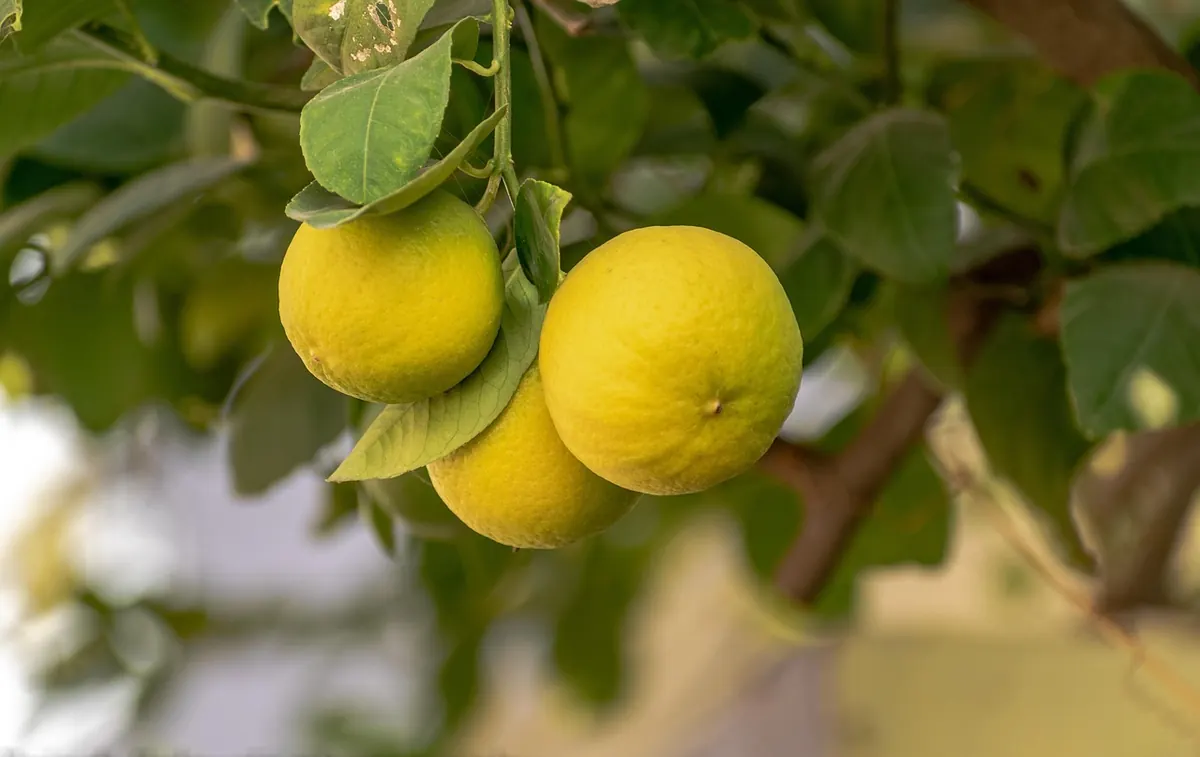
A lemon tree does not sulk quietly. When something is off, it puts the news on display: a leaf fades from glossy green to pale lime, then yellow, and eventually drifts down onto the patio. Most growers panic and reach for the fertilizer. That is often the wrong first move. Yellowing is a symptom with at least half a dozen ordinary explanations, and feeding a tree whose roots are drowning only makes things worse. Work through the causes below in order, and you will usually find the answer within a week.
This is the culprit in most potted lemon trees, especially in winter. Citrus roots need air as much as water. When the compost stays wet for days, roots suffocate and begin to rot, and the first sign is a soft, even yellowing of the older, lower leaves. They may curl slightly, drop while still yellow, and the soil smells faintly sour. Tiny black fungus gnats hovering around the pot confirm the diagnosis.
Before you do anything else, check the drainage hole. Is it blocked? Is the pot sitting in a full saucer? Lift the pot: a wet one feels startlingly heavy, and a dry one is easy to tilt with one hand.
The opposite problem looks different. Thirsty leaves yellow around the edges first, then turn dry and crisp, curling inward like a hand closing. Buds drop, new growth stalls, and the rootball shrinks away from the sides of the pot so that water rushes straight down the gap and out the bottom.
The fix is a proper soak rather than a daily dribble. Stand the pot in a bucket or deep tray of water for twenty minutes so the rootball can rehydrate, then let it drain. After that, mulch the surface with two or three centimetres of compost or bark to slow evaporation, and water deeply when the top layer dries. A small splash every morning trains shallow roots and leaves the lower soil bone dry.
If the whole leaf turns a uniform pale yellow, starting with the oldest leaves at the base and moving upward, the tree is short of nitrogen. Growth is slow, new shoots are thin, and the canopy looks tired rather than sick. Citrus is a hungry plant through spring and summer and cannot keep glossy leaves on rain or plain water alone.
Feed with a citrus-specific fertilizer that includes trace elements, following the label rate rather than guessing. Little and often beats a heavy dose: a weak feed every two to three weeks through the growing season is easier on the roots. Stop or cut right back in winter, when the tree is resting and unused salts simply accumulate in the pot.
Magnesium shortage has a signature look: yellowing between the veins while the veins themselves stay green, usually producing a green V-shape at the base of the leaf. It shows on older leaves first because the plant moves magnesium to the newest growth. In bad cases the yellow patches spread and the leaf drops.
A foliar spray of Epsom salts — about a tablespoon per litre of water — gives the fastest response, since leaves absorb magnesium directly. Apply in the evening so the droplets do not scorch in sun, and repeat after a few weeks if the new growth still looks pale. Long term, choose a fertilizer that lists magnesium, or top-dress with a little dolomitic lime.
Yellowing on the newest leaves, with fine green veins, usually means iron is present in the soil but inaccessible. Citrus likes a slightly acidic soil around pH 6 to 6.5; above that, iron and zinc lock up and no amount of feeding helps. A cheap soil test kit settles the question. If pH is high, use chelated iron, water with rainwater where possible, and refresh the top layer of compost.
Match the pattern to the position: old leaves turning evenly pale points to nitrogen, old leaves yellowing between veins points to magnesium, and young leaves with green veins point to iron.
Spider mites, scale, aphids and whitefly all drain sap and leave leaves mottled and yellow. Look closely at the underside of a yellowing leaf. Fine webbing and tiny specks that move are mites; small brown or white domes stuck along stems and veins are scale; sticky clear honeydew that later turns black and sooty is a strong hint of aphids or scale.
Hold a sheet of white paper under a branch and tap it — mites appear as specks that crawl. Treat by showering the foliage with a firm spray of water, then applying insecticidal soap or diluted neem oil in the evening, covering the undersides thoroughly. Repeat every week or so for a month, because eggs survive the first pass. Keep an infested plant away from the rest of your collection until it has been clean for a few weeks.
A lemon tree moved indoors in autumn often drops a shower of yellow leaves within a fortnight. That is shock, not disease: light levels drop, air dries out, and a cold windowpane or a hot radiator nearby adds insult. Prolonged cold below about 5°C damages leaves directly, turning them yellow and then brown.
Move the tree indoors before night temperatures fall below roughly 7°C, and do it gradually over a week if you can. Choose the brightest spot you have, keep the pot away from radiators and draughts, and water sparingly through winter. Some leaf drop after the move is normal; steady new growth in spring is the sign you got it right.
Rather than reacting to yellow leaves one at a time, catch problems early with a short routine:
Remove badly yellowed leaves so the tree stops wasting energy on them, but leave anything still partly green. Then change one thing at a time and give it two or three weeks before judging the result. A lemon tree is slow to complain and slow to recover; steady watering, a bright position and a sensible feeding routine will bring the green back far more reliably than any bottle promising a quick fix.
Photo: balouriarajesh / Pixabay
Colour alone won’t tell you a lemon is ready. Judge ripeness by weight, firmness, scent and taste, then store the...
A practical comparison of nine lemons for home gardens, covering flavour, cold hardiness, yield and climate fit,...
October 29, 2026 - Winter Harvest
Copyright © 2026 Limone Della Neve. All Right Reserved.