How to Tell When a Lemon Is Ripe: A Winter Picking Guide
October 29, 2026 - Winter Harvest

October 29, 2026 - Winter Harvest
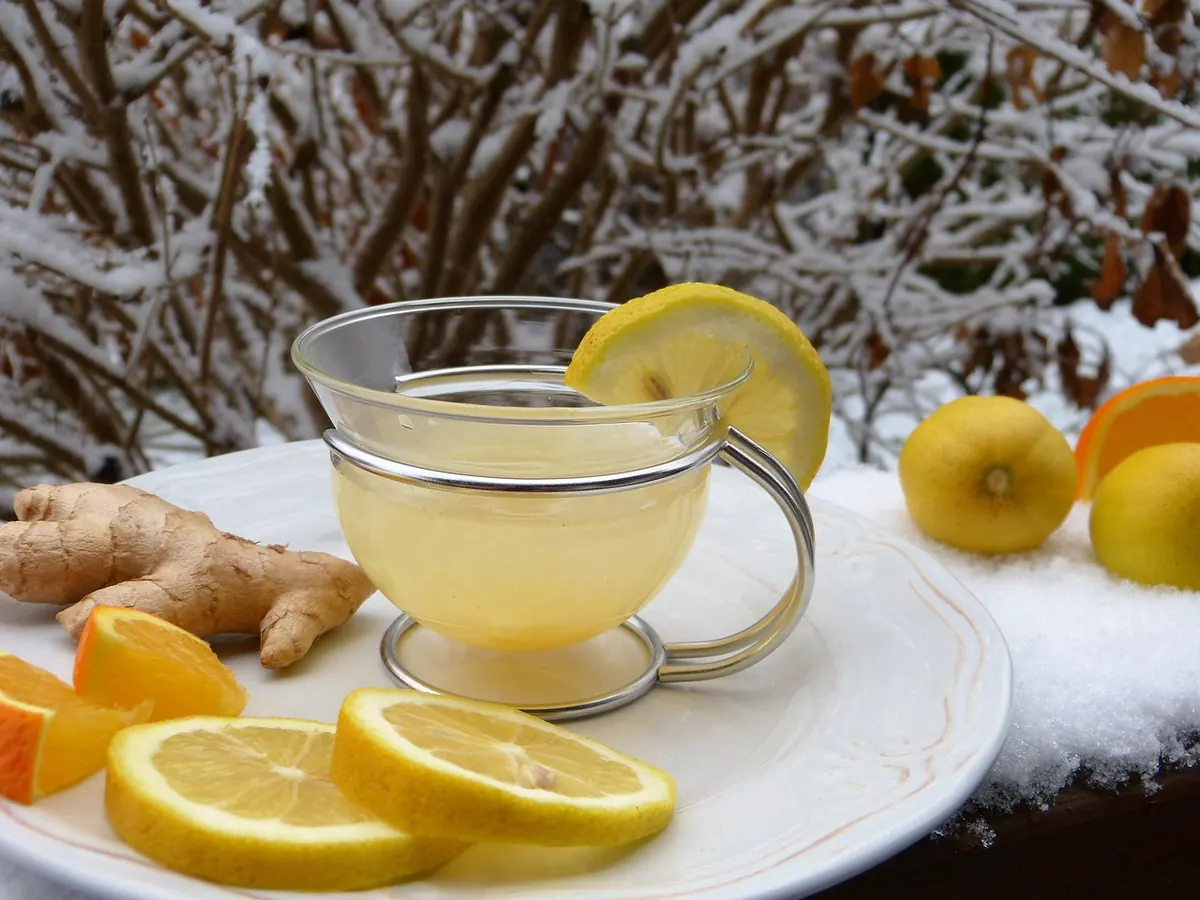
The citrus year does not stop when the last tomato comes off the vine. Between November and February your trees are doing three things at once: ripening fruit, holding it on the branch until you want it, and quietly setting the buds that will open in spring. Cold is the one variable you cannot argue with. Two or three sharp nights can undo a summer of careful watering, and a mild spell in January can push out soft new growth that the next frost will burn. What follows is the calendar we keep by the potting bench, month by month and task by task.
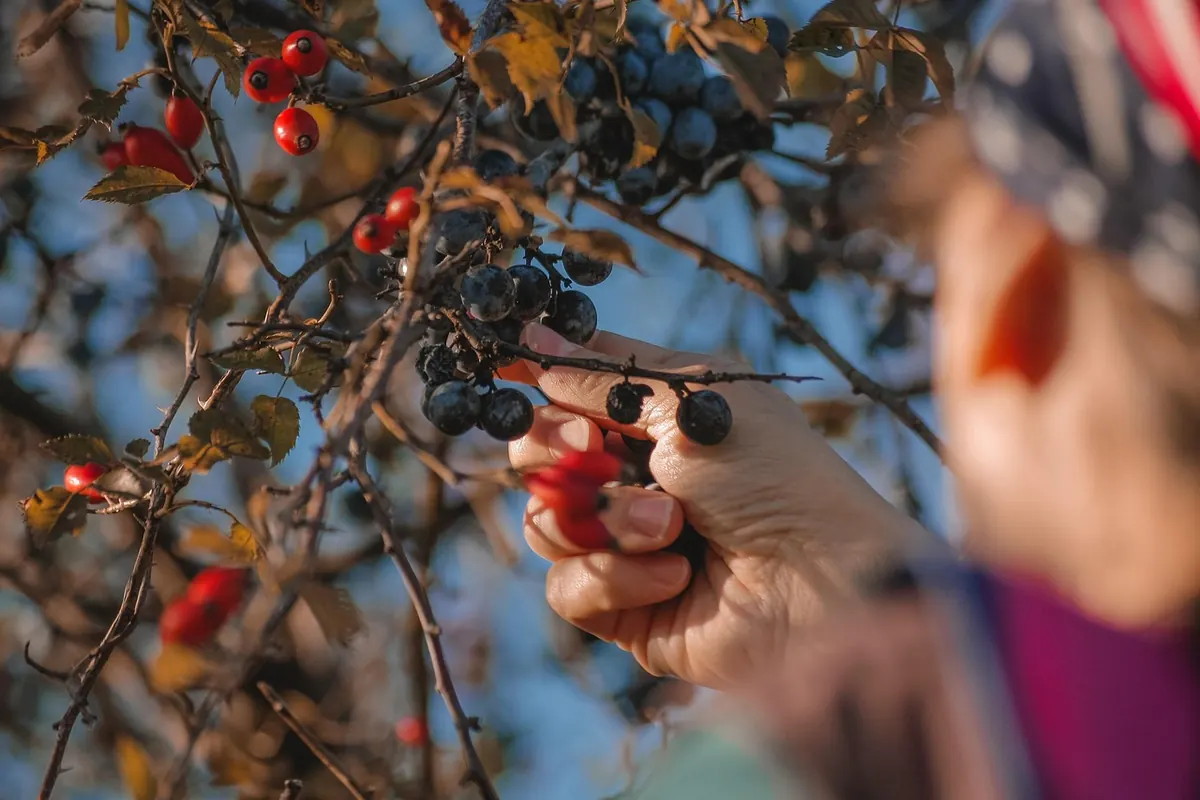
By November most lemons and late oranges are colouring well, and the temptation is to leave every fruit on the tree until Christmas. Resist a little. Fruit that hangs through weeks of wet, cold weather is more likely to spot and mould, so pick the ripest specimens now and let the rest finish slowly. Cut rather than pull, and leave a short stalk on the fruit.
Watering drops sharply this month. In the ground, a mature tree may need nothing at all unless the autumn has been dry; in pots, water only when the top couple of centimetres of compost feel dry, and water in the morning so the surface has dried before night temperatures fall. Stop any nitrogen-heavy feeding. A flush of soft new leaves in November is exactly what you do not want going into a frost — wait until growth restarts in late winter, then feed with a proper citrus fertiliser.
This is also the month for tidying: fallen fruit, dead leaves and weeds around the base of the tree are winter homes for fungal spores and slugs. Clear them, then top up the mulch to five or six centimetres, keeping it a hand's width clear of the trunk.
If your trees live in pots, spend an hour on this before the first hard forecast:
Horticultural fleece is the workhorse here: light, breathable, and easy to drape over a frame or a few canes so it does not lie on the leaves. Double it for a severe forecast. Avoid plastic sheeting, which traps condensation and can damage foliage wherever it touches. On mild, bright days, open or remove the covers so leaves can dry and air can move — a tree shut up in damp, stale air for weeks is asking for trouble.
Two small habits help more than any gadget. First, make sure the soil is not bone dry going into a cold night; a moist root ball holds and releases warmth better than dust. Second, harvest before the cold rather than after it — fruit that has frozen and thawed on the tree softens quickly and will not keep.
A dry canopy and a root ball that is damp but never sodden will carry a tree through more cold nights than any amount of fussing.
Use snips and cut with a short stalk, leaving the button attached. Pulling tears a plug of peel from the shoulder, and that wound is where mould begins. Store fruit in a single layer in a cool, dark, ventilated room — around 8 to 10 °C suits most — and check weekly, using blemished fruit first. Many mandarins and oranges will hold on the tree for weeks in good weather, and cold nights mellow their acidity, so taste before you strip a branch.
Dead, damaged and crossing branches can come out whenever you notice them; structural pruning is better left until the worst of the frost has passed, which in cold gardens means late January at the earliest. When you do cut, open the centre of the tree a little so light and air reach the middle, remove suckers growing from below the graft union, and take out anything that rubs. Do not strip a tree hard in one winter — citrus responds better to small corrections made annually. Clean your blades between trees.
Indoor and greenhouse trees need a weekly look at this time of year. Turn a few leaves over and check the undersides of stems for scale, mealybug and spider mite. Sticky honeydew on lower leaves and a black sooty film are the usual early warnings. A wipe with a damp cloth and a dab of insecticidal soap handles small infestations; repeat after a fortnight, because eggs hatch in waves.
Water sparingly and check before you pour: push a finger under the mulch. Cold, wet compost is slow to dry but also slow to warm, and roots sitting in it through January are the ones that yellow and drop leaves in March.
Wait for a sign — new growth pushing, nights reliably above about 5 °C — then start feeding with a citrus fertiliser that includes trace elements. Little and often beats a single heavy dose: a half-strength feed every few weeks through spring and summer will do more than one heroic application now. Yellowing between the veins is worth reading carefully. On older leaves it often points to magnesium; on young leaves, to iron. Correcting it takes weeks, so start early and keep the feed consistent.
Late February into March is also the moment to repot anything that has been in the same container for two or three years. Slide the root ball out; if roots are circling tightly, move up one pot size only, into a free-draining citrus mix, and keep the new pot sheltered for a fortnight. And do not be fooled by a warm week: keep fleece within reach until the risk of frost has genuinely gone.
Winter citrus rarely fails dramatically. It fails slowly, in small things noticed too late. Once a week, ideally on a dry morning, do five things: read the forecast for the coming nights, check soil moisture under the mulch, look at the undersides of a few leaves, pick any ripe or damaged fruit, and empty saucers so nothing stands in water. Ten minutes, a mug of something hot, and a notebook to write down dates and temperatures you will want next winter. That is the whole secret of a good cold season.
Photo: silviarita / Pixabay
Colour alone won’t tell you a lemon is ready. Judge ripeness by weight, firmness, scent and taste, then store the...
A practical comparison of nine lemons for home gardens, covering flavour, cold hardiness, yield and climate fit,...
October 29, 2026 - Winter Harvest
Copyright © 2026 Limone Della Neve. All Right Reserved.