How to Tell When a Lemon Is Ripe: A Winter Picking Guide
October 29, 2026 - Winter Harvest

October 29, 2026 - Winter Harvest

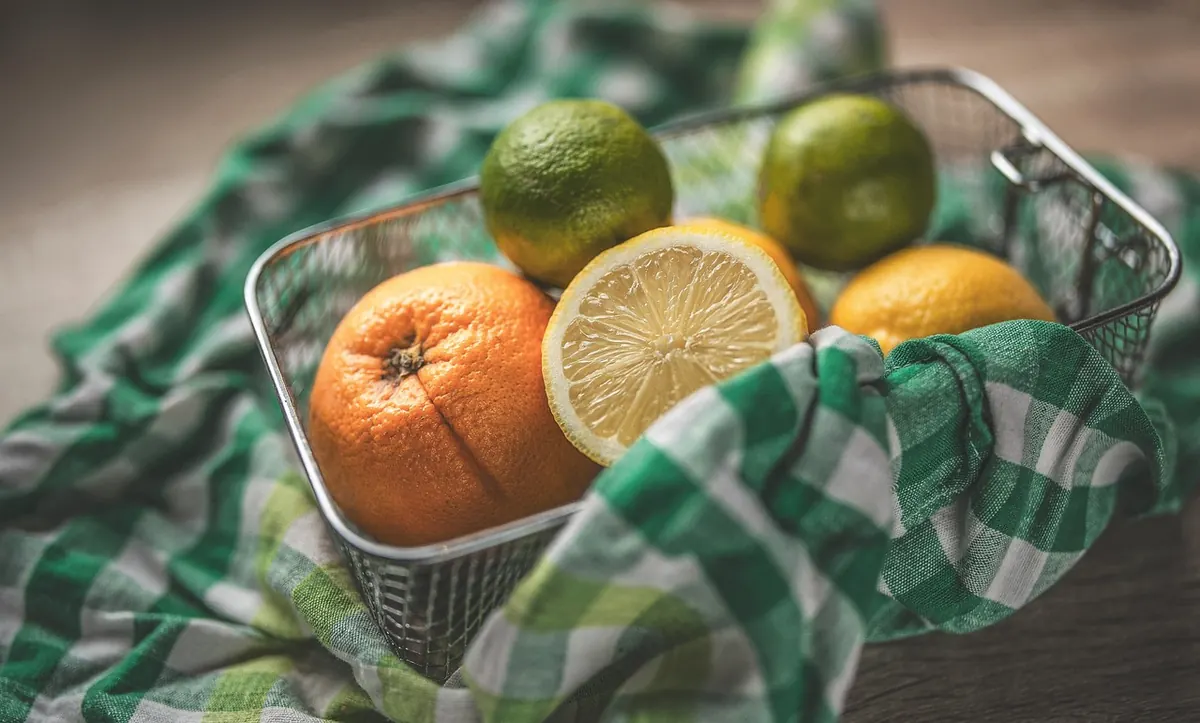
A bowl of lemons is a good problem to have until it isn't. In the middle of winter the tree gives more fruit than a week of cooking can absorb, and the ones at the bottom of the bowl start to soften. Preserved lemons solve that — not by juicing or freezing, but by packing the fruit in salt and letting a few weeks do something remarkable to the rind. Three ingredients, one clean jar, and a month of patience give you a condiment that keeps for the better part of a year and makes the food around it taste more like itself.
These are salt-cured, not vinegar-pickled. The salt draws water from the fruit, the lemon's own juice becomes a strong brine, and the rind slowly softens and turns translucent while a gentle fermentation adds a savoury, almost floral depth. The result tastes intensely of lemon but without the sharp acidity of fresh juice, and it brings salt with it. That last point matters: you cannot swap preserved lemon for fresh in a recipe without adjusting everything else.
The rind is the prize. It becomes silky enough to cut with a spoon and carries most of the flavour. The pulp turns soft and can be scooped out and used in dressings, though many cooks discard it because the rind alone is what they want.
That is the whole recipe. A bay leaf, a few black peppercorns or a cinnamon stick can go in as a variation once you know the plain version, but they are not required.
Salt is doing the preserving here, so resist the urge to cut back on it. Everything should stay under the brine; if a piece floats up, push it down with a clean fork. A thin white film on the surface is usually harmless yeast and can be skimmed off. Fuzzy mould on a lemon above the liquid is another matter — remove that fruit, check the rest, and if the mould returns or the jar smells genuinely unpleasant rather than sharply lemony, start again.
Unopened jars keep for months in a cool cupboard. Once you open one, move it to the fridge and always fish lemons out with a clean utensil. They will hold for a year or more, though the texture is best in the first six months.
Before cooking, rinse a piece of rind under cold water if you want to dial back the salt, then scoop out and discard the pulp and chop or sliver the rind. Taste as you go: jars vary in saltiness depending on the fruit and how much you packed in.
The best time to make preserved lemons is whenever you have more lemons than you can use — and if that is now, a jar will be ready in about a month, just as the season turns. Start with a single litre jar before committing to a shelf full. Keep it somewhere you will see it, label it with the date, and taste at three weeks rather than waiting for a rigid deadline.
One practical note: the rind is strong, so begin with less than you think you need and add more at the table. A jar also makes a good gift for someone who cooks, provided you can part with it.
Photo: silviarita / Pixabay
Colour alone won’t tell you a lemon is ready. Judge ripeness by weight, firmness, scent and taste, then store the...
A practical comparison of nine lemons for home gardens, covering flavour, cold hardiness, yield and climate fit,...
October 29, 2026 - Winter Harvest
Copyright © 2026 Limone Della Neve. All Right Reserved.