How to Tell When a Lemon Is Ripe: A Winter Picking Guide
October 29, 2026 - Winter Harvest

October 29, 2026 - Winter Harvest
Lemon trees forgive a great deal. A cramped pot, an ugly pruning cut, a corner that gets a little less sun than the label promised — they grumble and carry on. Water is different. Get it wrong and the tree doesn't simply look tired; it drops its blossom, sulks through the hottest weeks and hands you a few small, thick-skinned fruit or nothing at all. Most lemon troubles that reach a nursery bench turn out to be watering troubles wearing a disguise.
These are the seven errors that do the most damage, and what to do instead.
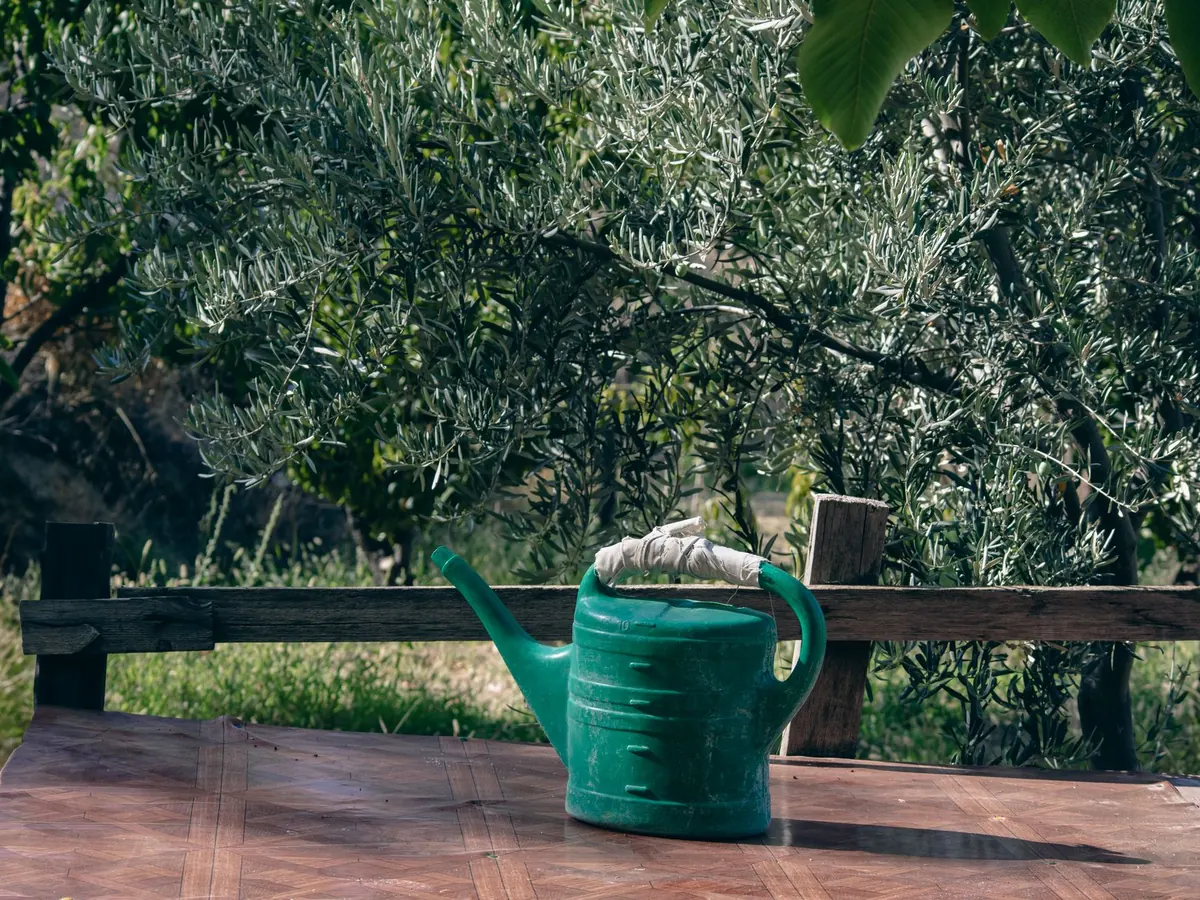
A quick pass with the watering can every morning feels responsible. It is usually the opposite. A light sprinkle wets the top two or three centimetres of compost and stops there. The roots below stay dry, so the tree gradually grows its feeding roots upward into that shallow, drying layer — exactly where they are most vulnerable to a hot afternoon. Salts from tap water also accumulate below the wetting zone, because nothing ever rinses them through.
The fix is unglamorous: water less often, but soak properly. For a potted lemon, keep going until water runs freely from the drainage holes, then stop and let it drain. For a tree in the ground, build a shallow basin around the canopy edge and fill it slowly so the water sinks rather than running off across the surface. A deep soak every week or so in summer beats a daily flick every time.
Soggy soil is the other half of the same problem, and it kills more potted lemons than drought does. Roots need air as much as water. When the compost stays saturated, the air spaces fill, fine roots suffocate and rot sets in. The cruel part is that the symptoms look like thirst: leaves curl, yellow and drop, shoot tips die back, fruit falls.
Check the saucer. If it is still full an hour after watering, empty it — a pot standing in water overnight is a pot with wet feet. Raise containers on feet or bricks so air moves underneath, and use a mix that drains freely rather than heavy garden soil. If the compost smells sour or the surface grows a green film, the tree is being kept too wet. Repot into something airier and let the top few centimetres dry between waterings.
Saturday morning, every Saturday morning, because that is when you do the garden. It is a sensible habit for remembering to check, and a poor one for deciding. A cool, cloudy week, a pot that has just been repotted into a larger container, a sudden hot spell, a tree that has doubled its canopy since spring — all of these change how fast the compost dries.
Use your fingers instead. Push them five centimetres into the mix near the edge of the pot. Damp at that depth means wait; dry means water. Lifting the pot tells you almost as much: a well-watered container is noticeably heavy. For in-ground trees, a trowel or a long screwdriver pushed in gives you the same information. Treat the calendar as a reminder to look, not an instruction to pour.
Water aimed straight at the trunk keeps the bark permanently damp, particularly when mulch is piled against it. That is an invitation to rot, fungal problems and borers. Wet foliage left overnight in still air does the tree no favours either.
Water the soil, not the plant. Aim under the canopy and spread the water out towards the drip line, where the feeding roots actually are, and keep a clear gap of a hand's width between the mulch and the trunk. If you must water in the evening, water the ground and leave the leaves dry.
Midday in July is the worst of both worlds: much of the water evaporates before it sinks, and foliage that stays wet in strong sun can scorch. Late evening is not much better. The soil stays cool and the leaves stay damp through the night, which is precisely when fungal problems get comfortable.
Early morning is the sweet spot. The tree gets a full drink before the heat arrives, the soil has the whole day to drain, and any splashed leaves dry within the hour. If a plant is genuinely wilting at two in the afternoon, of course water it — a rescue soaking will not hurt. Just make morning the default.
Wet all the way down, then dry enough to breathe.
A lemon's year has a rhythm. Spring brings a flush of growth and blossom; summer is about holding moisture through heat; autumn is when the tree hardens off; winter is a slow, quiet season. Watering at a constant rate through all four ignores that entirely. In winter, a cool, resting tree in a pot may need very little, and constant damp in cold soil is a reliable way to lose it.
Use these as starting points and adjust with the finger test — pot size, mix and local weather will shift the numbers.
One more thing about rain: a leafy canopy sheds a surprising amount of it, and a pot tucked under an overhang may stay dry through a week of showers. Look, don't assume.
Bone-dry compost can turn water-repellent. You pour, the water beads, then races down the gap between the mix and the pot wall and straight out the bottom. The surface looks dark and the rootball is still dust. The same happens in ground that has baked hard.
Before you trust a watering, dig down five centimetres with a finger or a chopstick. If it is dry underneath, water in two slow passes with a ten-minute pause between them, scratch the surface first to break the crust, or stand the pot in a bucket of water to the rim for twenty minutes and let it drink upwards. Slow is the whole trick.
Check before you pour, using a finger, a trowel or the weight of the pot. When you do water, soak properly and let the excess drain away. Empty the saucer, keep the trunk clear, mulch to hold moisture and water in the morning. Then watch the leaves: yellowing and leaf drop usually mean too wet, while curling, dull foliage and early fruit drop point to too dry. Correct the cause, not just the symptom — and resist the urge to drown a struggling tree in sympathy. Steady, thorough watering is what turns a sulking lemon into a heavy one.
Photo: Zülfü Demir📸 / Pexels
Colour alone won’t tell you a lemon is ready. Judge ripeness by weight, firmness, scent and taste, then store the...

A practical comparison of nine lemons for home gardens, covering flavour, cold hardiness, yield and climate fit,...
October 29, 2026 - Winter Harvest
Copyright © 2026 Limone Della Neve. All Right Reserved.